















Students in Mrs. Susie McGinnity’s classes celebrated Dia de los Muertos this year by creating personal ofrendas, small altars traditionally used in Mexican culture to honor deceased loved ones.
The project invited students to learn about the meaning behind the holiday while reflecting on the people who have shaped their lives.
Dia de los Muertos, translated to Day of the Dead, is a joyful Mexican celebration that remembers and honors loved ones who have passed away.
Families build colorful ofrendas filled with photos, marigolds, candles, food, and symbolic items that welcome the spirits of the departed back for a brief visit.
“It is a joyful remembrance rather than a sad occasion,” said McGinnity.
She found that the assignment resonated deeply with many students.
“For many of my students, this project was a way to connect with their cultural roots and share family stories that matter deeply to them. For others, it was a chance to learn about a tradition that celebrates memory, love, and identity,” she explained.
To make the project accessible for all students, McGinnity asked them to create their ofrendas inside shoeboxes, small enough to bring to school, yet large enough to hold meaningful items and decorations.
Students had a week to plan and complete their work, with class time dedicated to learning about the symbolism and cultural significance behind traditional altar elements.
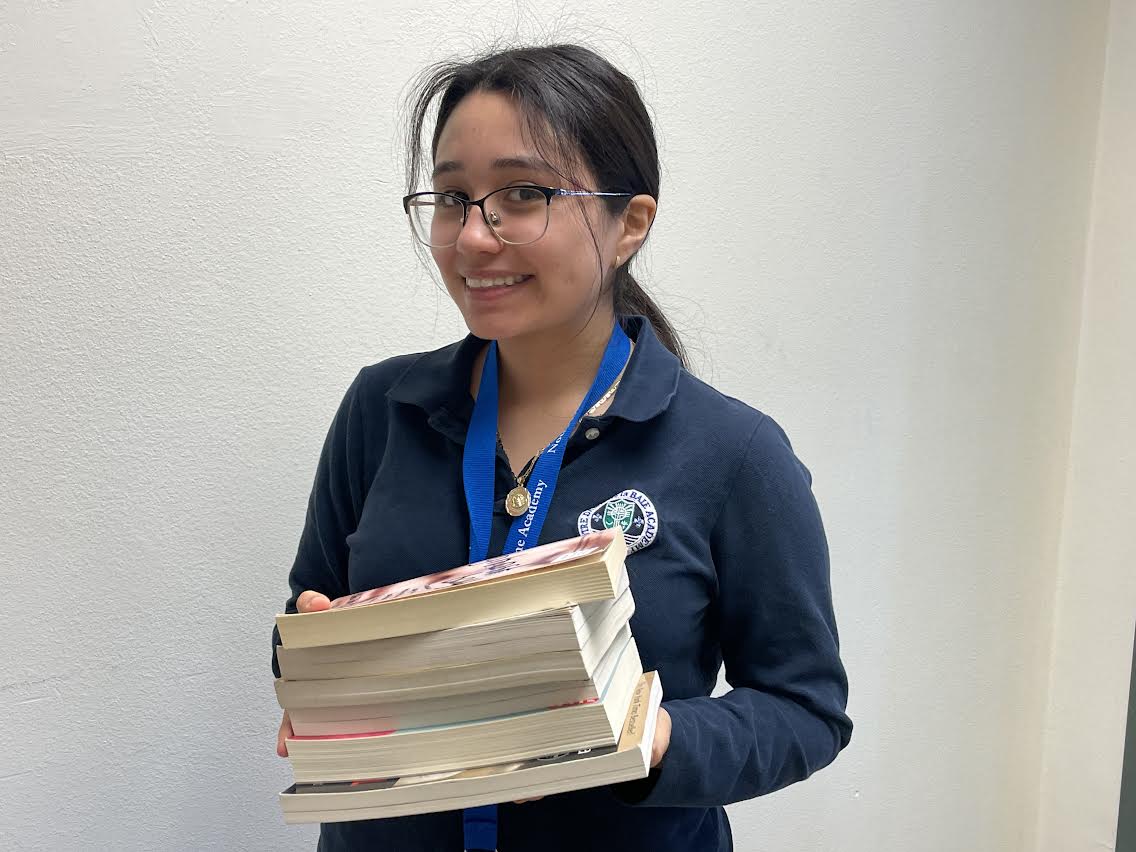
Freshman Andrea Matamoros Cruz, one of the participating students, sa
id that while she does not celebrate Dia de los Muertos personally, the project helped her appreciate its importance.
“I learned about Dia de los Muertos, how it’s celebrated, and why it is important to Mexican culture,” she said.
Matamoros Cruz chose to honor her grandmother on her ofrenda and enjoyed creating it.
“It is important because we are remembering our deceased loved ones in a special, meaningful way,” she explained.
McGinnity brought the idea to NDA after seeing its impact in previous bilingual classrooms.
“I loved how the project invited students to share who they are,” she said.
As the shoeboxes lined the classroom, each told a story of family, heritage, and of the people students hold close.
The project brought culture and remembrance to life, reminding students that honoring the past is a powerful way to celebrate the present.

