









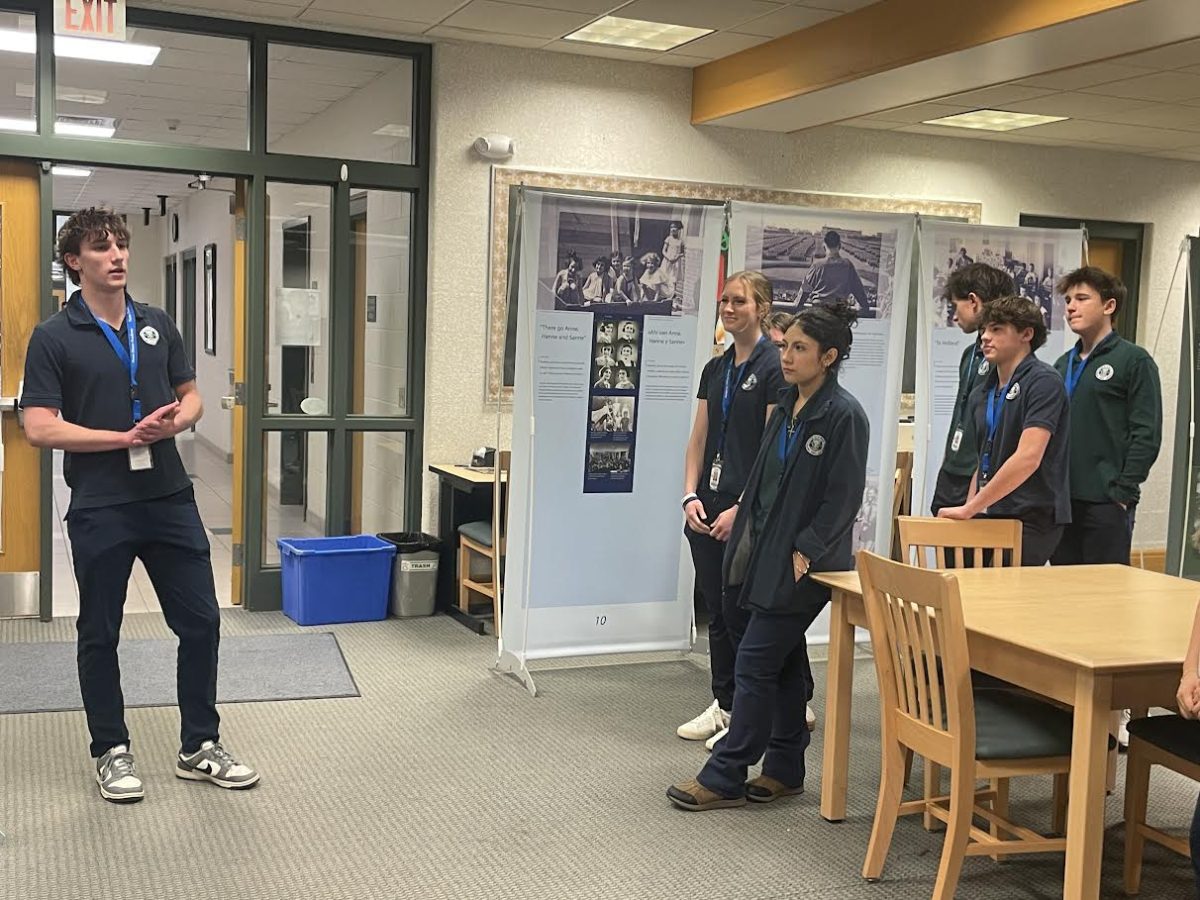
During the recent Anne Frank exhibit student guides–docents–toured visitors throughout the library, explaining the background information during that time and detailing what Anne Frank and family were doing to escape Nazi capture.
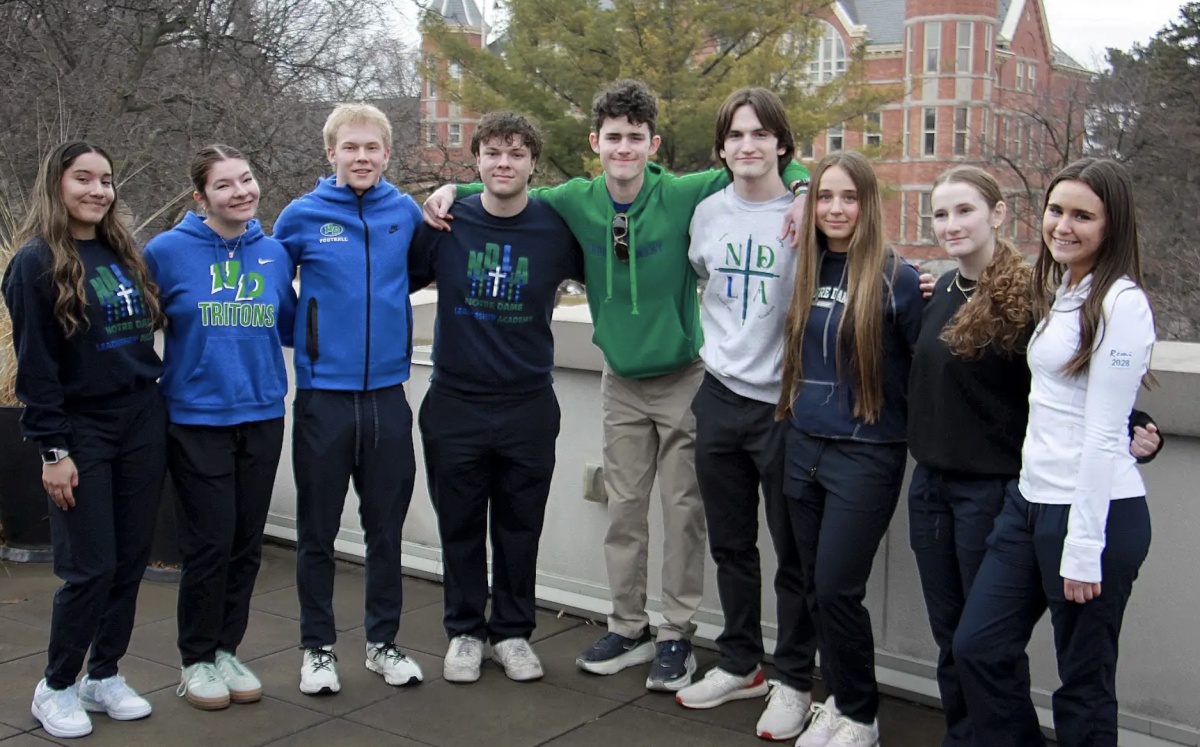
Over 10 NDA students volunteered as docents or guides. They went through training, missed classes and worked diligently to stay caught up on schoolwork.
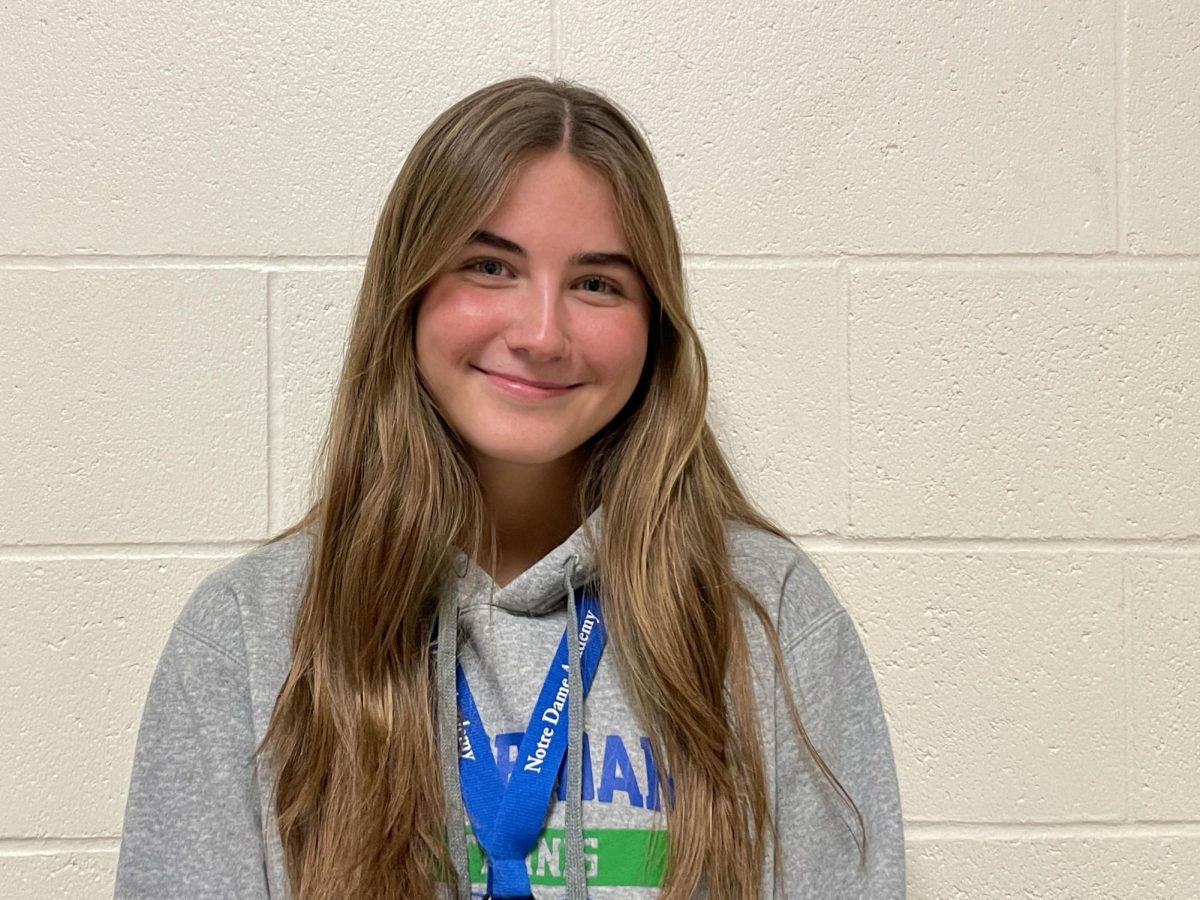
“I decided to take on this responsibility because I’m very interested in WWII, the Holocaust and the events leading up to both events, so it piqued my interest. I also have a decent amount of knowledge on the topics, so I wanted to share more,” said junior Jonah Marzec.
Even docents like Marzec learned something unexpected from guiding and teaching others.
For example, while touring people, Marzec said he “started to think more about why the people in Germany got behind and supported Hitler.”
Consequently, he said he began to highlight that fact, “so people would realize that not every German was a Nazi supporter.”
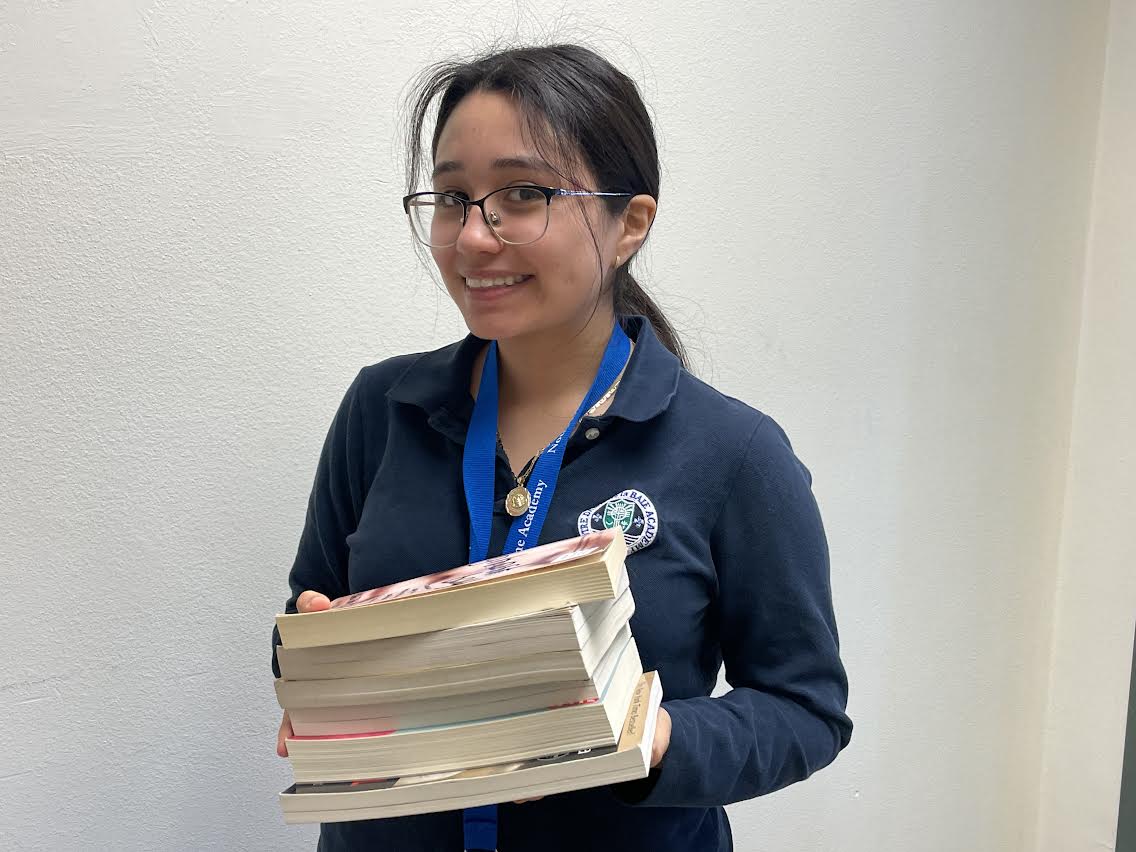
Another docent, junior Daisy Perez, admitted she “was nervous at first, but we had enough practice that towards the end of training, I was comfortable enough with all the information.”
“Overall, the hard part is getting started because from there, the history and what you were taught comes out naturally,” she continued.
The exhibit helped the host college, The University of South Carolina, by providing more contacts with other Wisconsin schools interested in hosting the same exhibit.
Notre Dame was the first time the exhibit had been displayed in Wisconsin.
The person behind that hosting was Mrs. Jaime Danen, who is very involved in the work of the U.S. Holocaust Museum and hence in contact with others of similar passion. It was Danen who put out the call for students to volunteer and serve as hosts and guides for the exhibit.
“I am very proud of the docents who participated in the Anne Frank Exhibit because It is hard to step out of your comfort zone and do something totally new,” said Danen, an English teacher at NDA.
Something that stuck out to Perez was the main message of the exhibit: A History for Today, which, she said, is so true–that we are all meant to be treated the same and be respected as humans, no matter our race, gender or religion.

